Custom Wood Staining for Long Beach Craftsman Built-ins: Matching Historic Tones
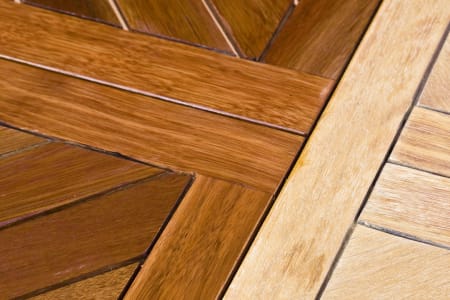
In Rose Park and Bluff Heights, many 1920s bungalows still have beautiful built-in bookcases, hutches, and window seats. The challenge comes when you repair a section or add new shelves and the fresh boards do not match the original tone. That is where a careful stain match makes all the difference. If you are planning new work or need repairs blended invisibly, our wood staining service focuses on true color harmony while keeping the natural grain front and center.
At ER Antique Restoration, we treat Craftsman woodwork with the same respect a conservator gives an heirloom. We study species, cut, and age. Then we tune color in the room’s real light so the final finish looks like it has always been there.
Why Color Matching Matters in Craftsman Homes
Original Craftsman millwork was designed as a unified whole. When a new door, stile, or shelf is even a little off, the eye catches it. In rooms with rich trim lines and repeated profiles, consistency is part of the architecture.
- Test in your light: bungalow windows pour in sun that changes through the day, so samples must be viewed morning to evening.
- Match the era: stains that were common in the 1910s–1930s lean warm and earthy, not trendy gray or blue.
- Respect the cut: quarter-sawn oak shows ray fleck that takes color differently than flat-sawn boards.
Mahogany and Oak: The Heartwoods of Long Beach Built-ins
Most local built-ins are mahogany or oak. Mahogany likes a deep, even glow with reds and browns that feel warm under afternoon sun. Oak is more open-pored, which can make color look lighter at a distance if you do not build tone carefully.
We create stain formulas that lean into each species’ strengths:
- Mahogany: layered dye for depth, then a wiping stain to steer warmth without obscuring grain.
- Quarter-sawn oak: controlled color to keep fleck definition crisp, never muddy.
Our Stain-Matching Process for Built-ins and Repairs
Color matching is not guesswork. It is a repeatable series of checks that start with the wood in your home. We keep the language simple and the testing precise so you feel confident before anything is sealed.
Sample Panels Made for Your Room
We build small, portable samples on the right species and put them directly next to your existing millwork. We look at them in Rose Park morning light, Bluff Heights afternoon sun, and evening lamplight. Only when the samples hold steady in different light do we commit to the formula.
Blending New Wood With Old Grain
Fresh wood absorbs stain differently than 100-year-old boards. We address this by tuning prep, seal coats, and stain strength so new parts do not read darker or flatter. The goal is a surface that feels like a continuous run of original wood, not a patch or add-on.
Local insight: Big south- and west-facing bungalow windows can push tones toward orange by late afternoon. Sampling between 1 and 4 p.m. often reveals shifts you will not see in morning light. Locking color at that time reduces surprises once the room is fully finished.
Stopping Sun-Bleaching Without Hiding the Grain
Long Beach sunlight is kind but steady. Wide windows and bright skies can flatten color over time, especially on upper shelves and face frames. We use clear coats with UV absorbers that guard against fade while letting the wood’s texture show through. For rooms with intense sun, we may add a subtle toning layer to offset seasonal washout so the look stays consistent across the year.
When homeowners want to understand the difference between a light refresh and deeper repair work, this primer on wood restoration vs. refinishing explains how we decide what to do without overworking original material.
Finishes That Fit the Craftsman Look
Craftsman interiors lean warm and tactile. We build finishes that protect the wood but keep that touchable feel. Satin or low-sheen looks tend to fit the era and hide small rubs, while still highlighting ray fleck in oak and ribbon in mahogany. The key is thin, even films that move with old wood through dry Santa Ana days and foggy mornings.
Protecting Built-ins From Window Light and Everyday Use
Many built-ins sit opposite large bungalow windows that get sun from breakfast to dinner. We protect edges and tops that catch the most rays, and we watch for “picture-framing,” where rails and stiles bleach differently than panels. A tuned finish plan helps the whole piece age together.
When Refinishing or Restoration Makes Sense
If the wood is sound but faded, a careful refinish can revive color and clarity without replacing anything. For deeper issues like cracked joints or veneer lift, we may shift to restoration. Our team explains the simplest path that preserves the most original material. If your project includes both tasks, we coordinate the sequence so repairs disappear after color work. To see how we revive tired surfaces while honoring the grain, explore our approach to wood refinishing.
Historic Tones for Rose Park and Bluff Heights
These districts showcase warm, period-correct palettes that play well with original floors and hardware. In Rose Park, built-ins often share sightlines with windows trimmed in similar stain families. In Bluff Heights, dining room buffets face bright afternoon sun that can nudge red tones too warm. We tune color so it sits comfortably with your floors, door casings, and the light that changes room to room.
What Homeowners Can Expect From ER Antique Restoration
Every project starts with a walk-through to understand which sections are new and which are original. We check wood species, cuts, and any past coating history. Then we stage the room so nearby walls, glass, and floors stay protected while we work. Our mix of dyes and wiping stains is adjusted in small increments until the color reads right in your home’s real light. Only then do we lock it in with protective topcoats.
We never rush matching. Small differences on a sample card can read big across a 9-foot run of shelves. That is why we build, adjust, and confirm. Many clients tell us they stop noticing where the repairs were the day the film cures, which means the match did its job.
Color Harmony Without Covering the Story in the Wood
Paint can solve a mismatch, but it often hides the very details that make a Craftsman room special. Our goal is to protect the wood, not bury it. We tune stain so pores still read as texture and edges stay crisp. In rooms with a mix of old and new boards, we pay special attention to transitions at face frames and shelf fronts so they look intentionally designed.
Plan for Longevity
Interior finishes last longer when they are chosen for the room’s light and use. A reading nook with soft morning sun and little traffic needs something different than a family room with bright afternoons and frequent hands on doors and drawers. We help you choose a system that fits real life, not just the day it is installed.
Avoid generic off-the-shelf colors that can fight your floors or turn chalky in bright light. A dialed-in color and a smart clear coat give you years of balanced tone and easy care.
Tying It All Together With Connected Services
Sometimes the best results come from pairing staining with other finishing work. For example, lightly refreshing nearby trim can make a perfect match look even more natural. If you are gathering ideas or want to understand options, many homeowners start with wood staining in Long Beach, CA research on our homepage to see how our services fit together. When you are ready to move forward, our team can guide you from sampling to final wipe-down.
A Note on Light, Sheen, and Room Size
Sheen changes how color reads. Semi-gloss can bounce window light and make a small room feel brighter, but satin usually looks more period-correct and hides micro-scratches. We test sheen alongside color so you can judge both at once. In long living-dining runs, we often keep sheen consistent across built-ins and door casings so reflections feel calm rather than patchy.
Protect the grain by choosing finishes that build thin, flexible films. Heavy coats can soften the crisp lines that define Craftsman work and can cloud oak’s ray fleck. Thin, well-leveled films preserve detail and still handle everyday use.
Real-World Examples We See Often
Here are common built-in updates we complete in Long Beach bungalows:
- Adding new adjustable shelves to a 1920s bookcase and matching the tone to surrounding face frames.
- Replacing a water-damaged buffet top with new solid stock, then blending to the original drawer fronts.
- Tuning color in a sunny front room so the piece does not swing too orange by late afternoon.
Build maintenance into the plan by choosing systems with UV absorbers. That way your stain keeps its balance through the bright seasons without frequent touch-ups.
Ready to See Your Match in the Room?
If you want a stain that blends new work with original 1920s tones, we would love to help. Read how we approach the craft on our dedicated wood staining page, then set a time that works for your schedule. You can also reach our team at 562-337-2954 to talk through your project and timeline.

Book Your Color Consultation Now
Contact Our Painters in Long Beach Today!